In many companies, the last week of the month turns into something like a recurring emergency. Late reviews, hours of manual reconciliation, and spreadsheets scattered across several employees. The result is visible pressure on the finance team to close the books on time.
The problem, in most cases, isn’t the team’s efficiency. It’s the way company expenses are managed throughout the month.
The Real Reason Behind the Monthly Closing Crisis
When a company’s financial operations are manual, scattered, and disconnected, even a small error early in the month compounds as closing day approaches. An unrecorded invoice, an unmatched payment, or an expense that was never posted to the accounting system — these are all small errors that quietly pile up. And since the finance team only discovers these gaps at the last minute, it has to deal with all of them at once, under time pressure.
Monthly closing doesn’t create the problem — it exposes it.
It’s the moment when every gap that has built up in recording and categorizing company expenses throughout the month finally comes to light.
Modern Financial Management Doesn’t Wait for Month-End
The traditional model for managing company expenses is built on one idea: “gather everything at the end of the month.” Invoices, receipts, bank statements, and vendor records — all collected and reconciled in one batch before closing.
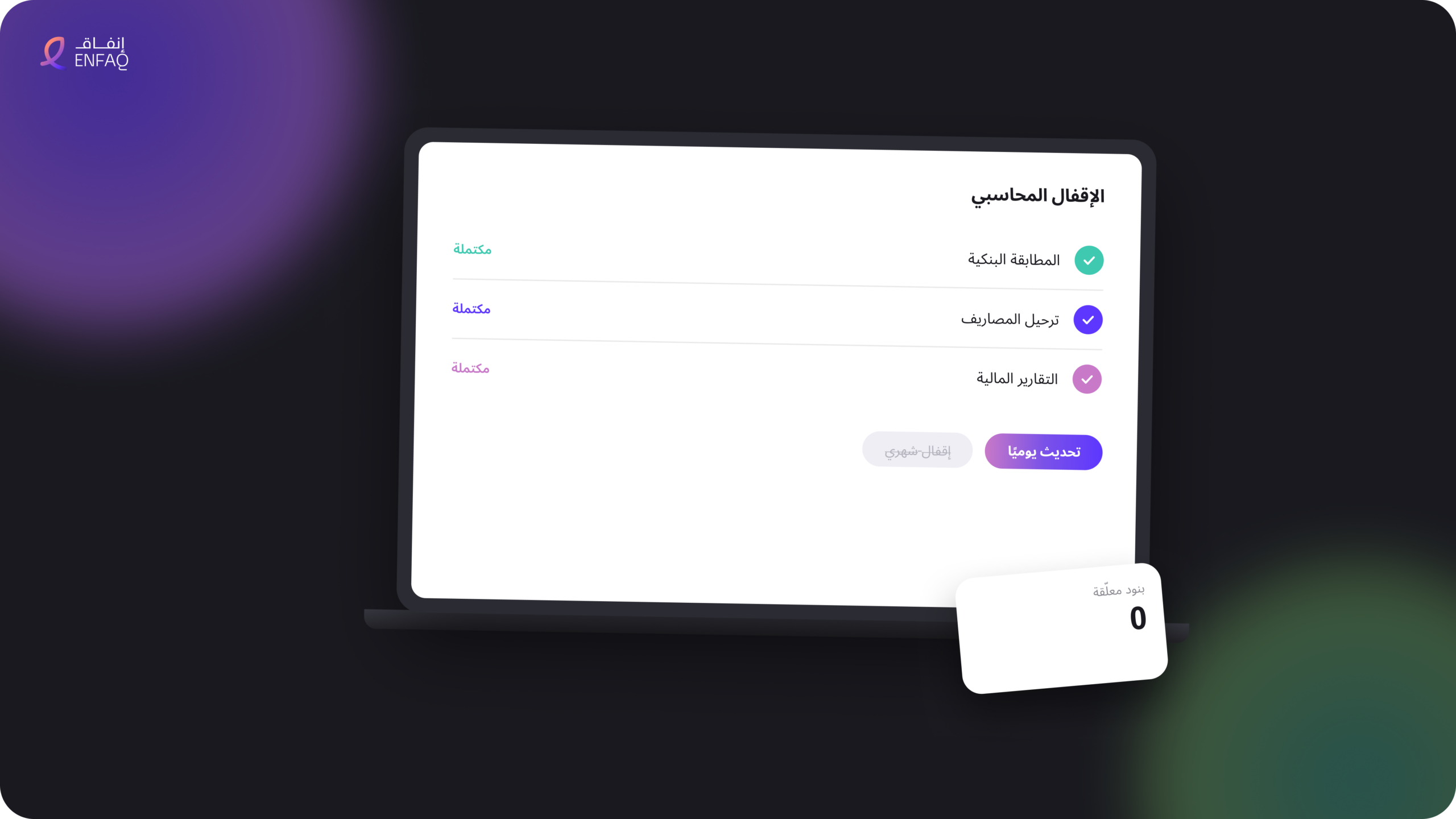
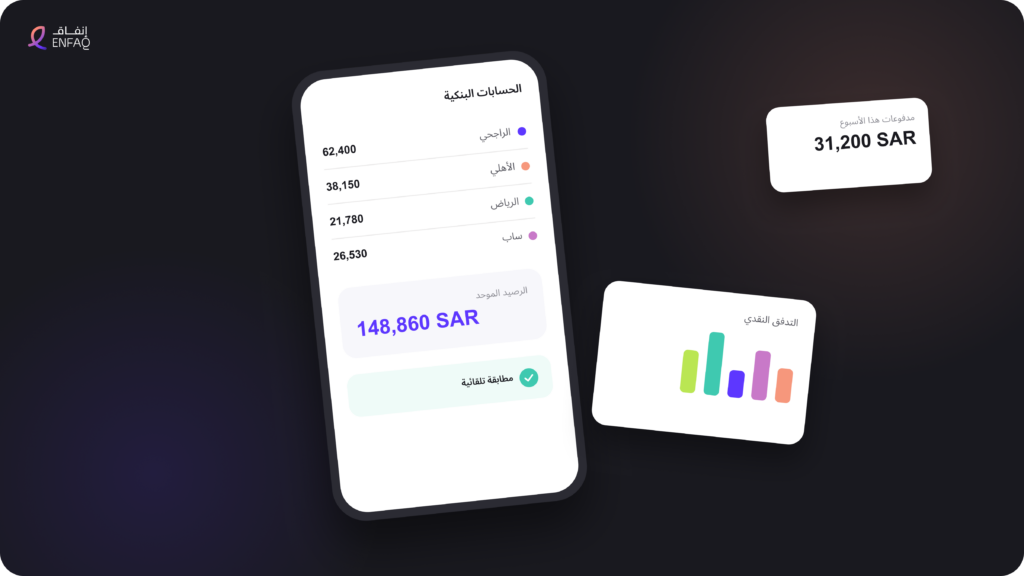
The modern model, on the other hand, is built on a completely different principle: continuous, real-time updates throughout the month. Every expense is recorded and categorized the moment it happens. Every bank transaction is automatically matched with its corresponding accounting entry. And every future obligation appears the instant it is created — not at month-end.
When a company’s expense data is connected daily like this, accounting closure becomes the natural outcome of an integrated process — not an operational crisis that repeats every month.
Signs Your Company’s Expense Closing Process Needs a Rethink
- The finance team relies on separate spreadsheets to track company expenses instead of a unified system
- Unrecorded invoices or payments are only discovered during the monthly reconciliation
- Closing the books takes days instead of hours
- There’s no clear visibility into expenses and obligations until the month has actually ended
If these signs sound familiar, the root problem is usually not the team — it’s the absence of a tool that connects bank accounts to company expense records automatically and continuously.
How Enfaq Turns Monthly Closing Into a Daily Routine
Enfaq connects a company’s bank accounts directly and continuously to its accounting records. This way, company expenses are categorized and matched against accounting entries as they happen, instead of waiting until month-end. This gives the finance team the ability to close the books at any time, confident in the accuracy of the numbers, without needing an exhaustive review under time pressure.
You can learn more about how Enfaq helps your company move from monthly closing to daily updates on the accounting integration page.