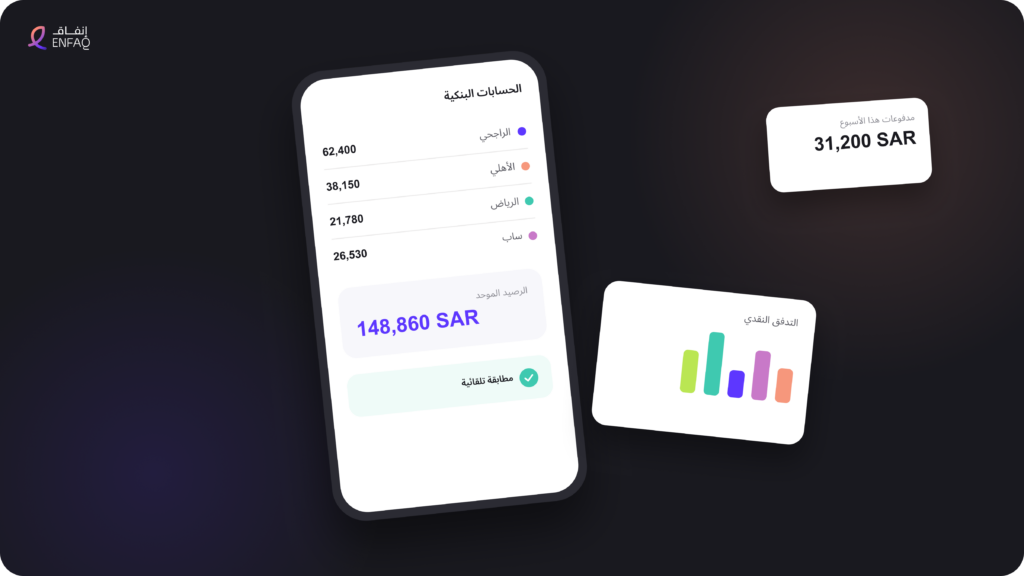
At most companies, every transaction goes through a long journey before it reaches the accounting system in its final form. Business payments are made from the bank account, the bank statement is exported, and the accountant reviews it manually. The data is then entered into the accounting software line by line and finally matched against invoices and existing journal entries. Every one of these steps carries a risk of error or delay.
This long journey is exactly what modern accounting integrations aim to shorten.
Without a direct connection between the bank account and the accounting system, the finance team has to treat every payment or expense as a separate event that needs manual work: uploading a bank statement, entering the data, then matching it later with invoices or purchase orders. That is three steps for every single transaction. Naturally, as the number of transactions grows (payroll, supplier payments, recurring operating expenses), so does the time spent on this manual cycle, and so does the risk of miscategorizing expenses.
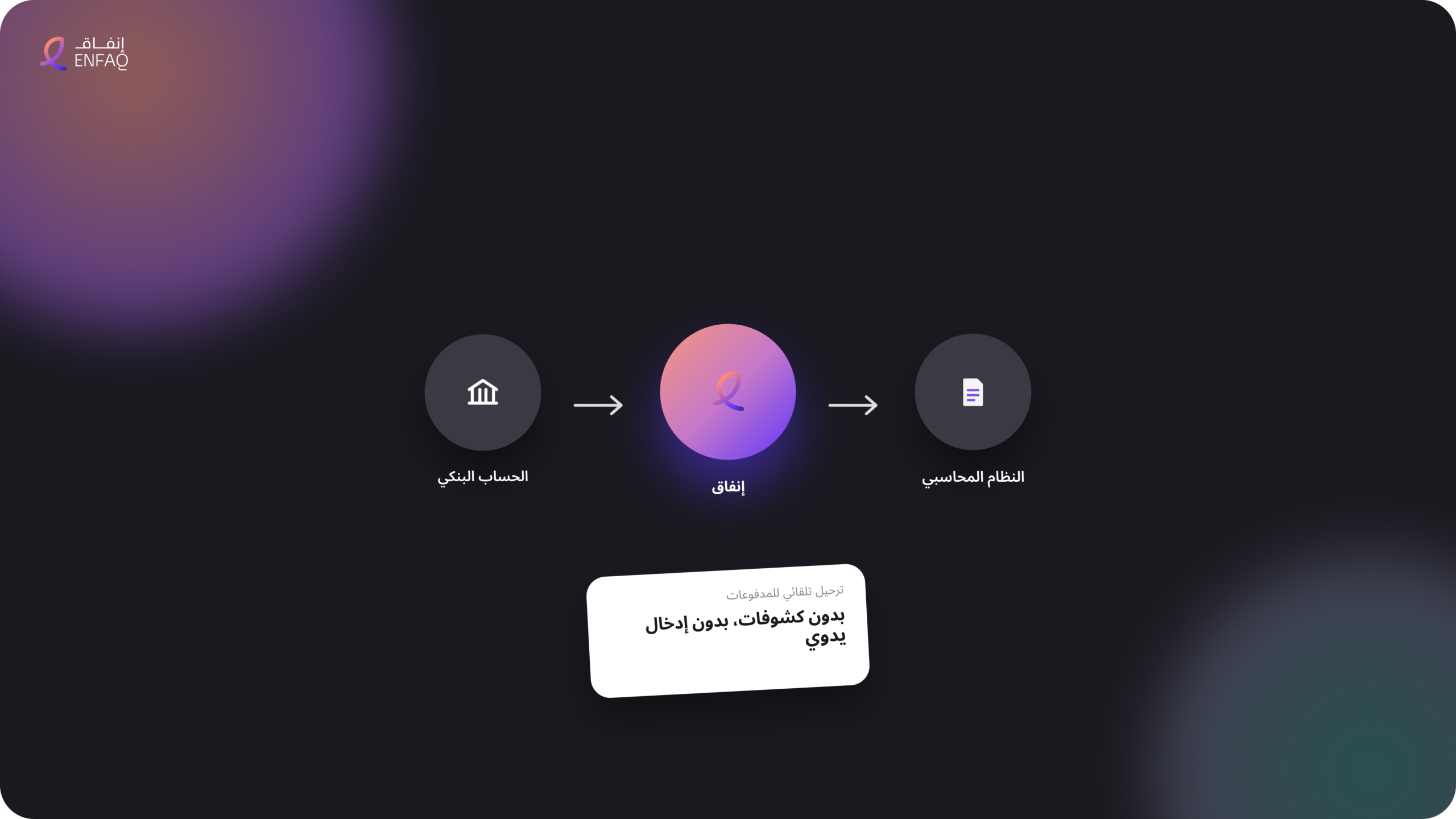
The core idea is simple. Once a company connects its bank accounts to an account aggregation platform linked to its accounting system, every bank transaction, whether an outgoing payment or an incoming receipt, flows into the accounting system automatically and in real time. As a result, you no longer need to:
 Upload bank statements manuallyEnter every payment or expense into the accounting software by handReconcile bank statements against accounting records over and over
This way, your daily business payments and expenses become part of a live accounting record that is continuously updated, instead of a task that piles up to be done later.
When business payments are posted automatically from the bank account to the accounting system, there are fewer chances for human error when recording or categorizing expenses.
This means that any financial report you pull from the system, whether for tracking monthly expenses or assessing cash flow, is built on truly up-to-date data rather than late manual entries.
One example of this kind of integration is the technology partnership between Enfaq and Wafeq (a platform specializing in accounting, e-invoicing and financial reporting). Through this partnership, companies that use Enfaq to aggregate their bank accounts can now post their payments and expenses automatically to Wafeq’s accounting system, directly from the bank account. All of this without uploading statements, manual data entry or repeated reconciliations.
As a result, once a company links its bank accounts through Enfaq, its data flows to Wafeq in real time, keeping its accounting records always up to date and accurate.
For business owners, this means saving the time currently spent on repetitive data entry and reducing the risk of accounting errors that usually surface too late. For CFOs and accountants, it means focusing on analyzing business payments and expenses and making decisions, instead of spending time copying data from one source to another.