The CEO asks a simple question: how much did we spend this month compared to last month? What follows can take days. Statements from several banks, Excel files from accounting, and emails to confirm unclassified transactions. By the time the report is ready, the decision it was meant to support has already been made, or postponed. Financial reports rarely lose their value because they are wrong. They lose it because they are late.
The delay is rarely the finance team’s fault. It usually comes from three structural causes:
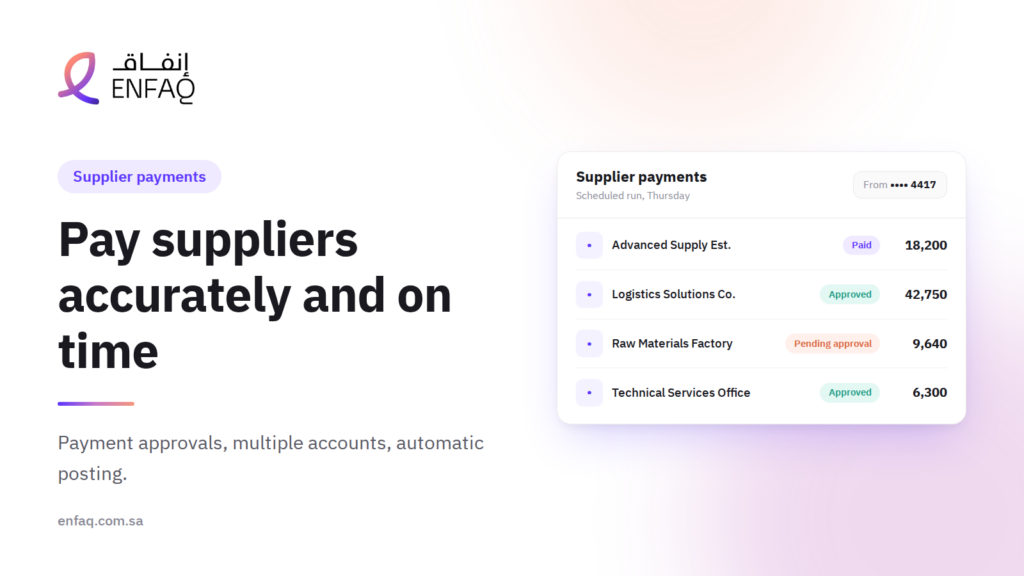
 Scattered data: revenue in one bank, expenses in another, journal entries in the accounting system, and no single source of truth.Manual classification: every bank transaction needs someone to categorize and reconcile it before it can appear in a report.Reports rebuilt from scratch: the same spreadsheets are rebuilt every month with the same steps, repeating the effort and the risk of error.
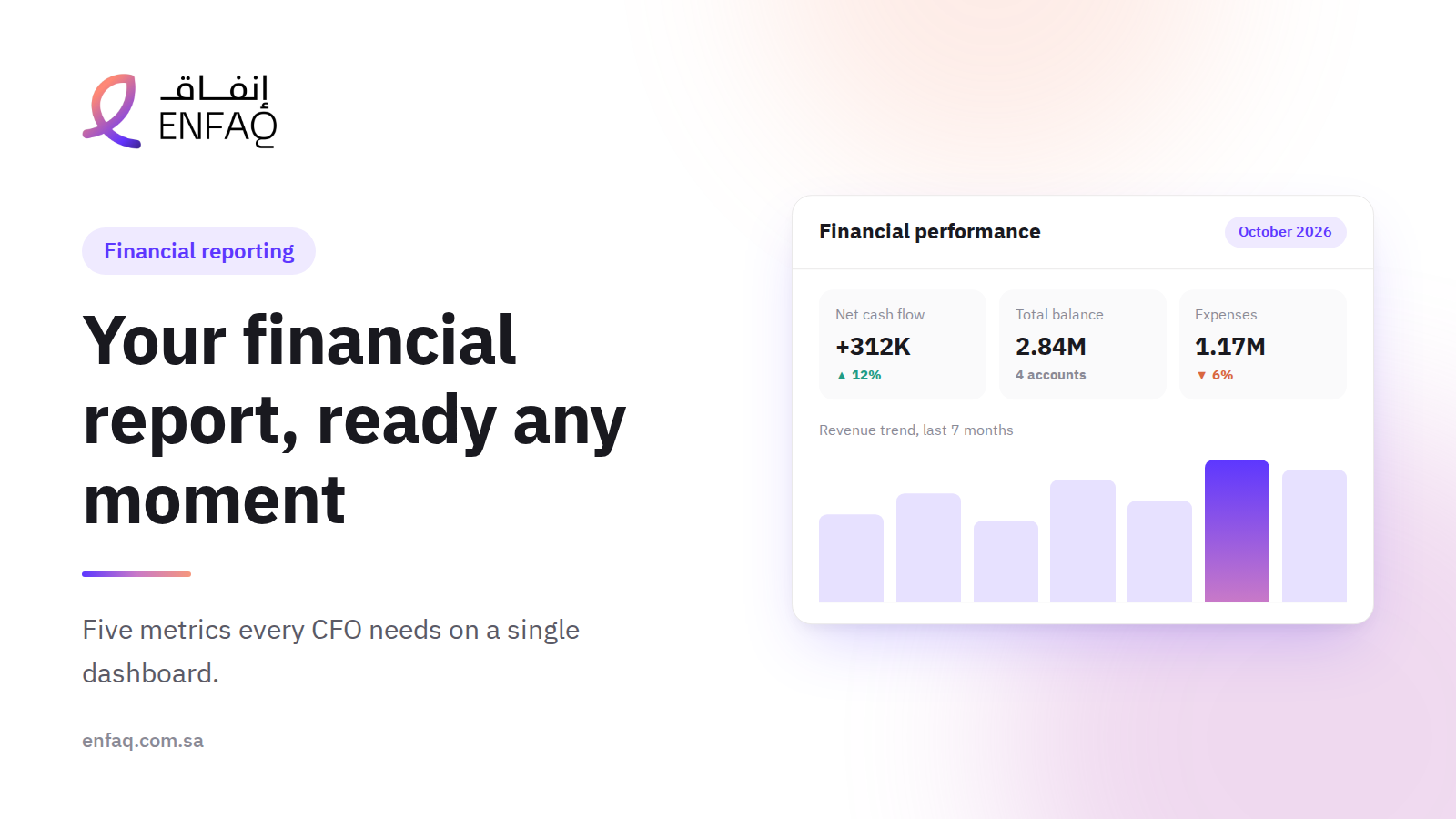
A good financial dashboard does not show everything. It shows what changes a decision. These five metrics are the minimum:
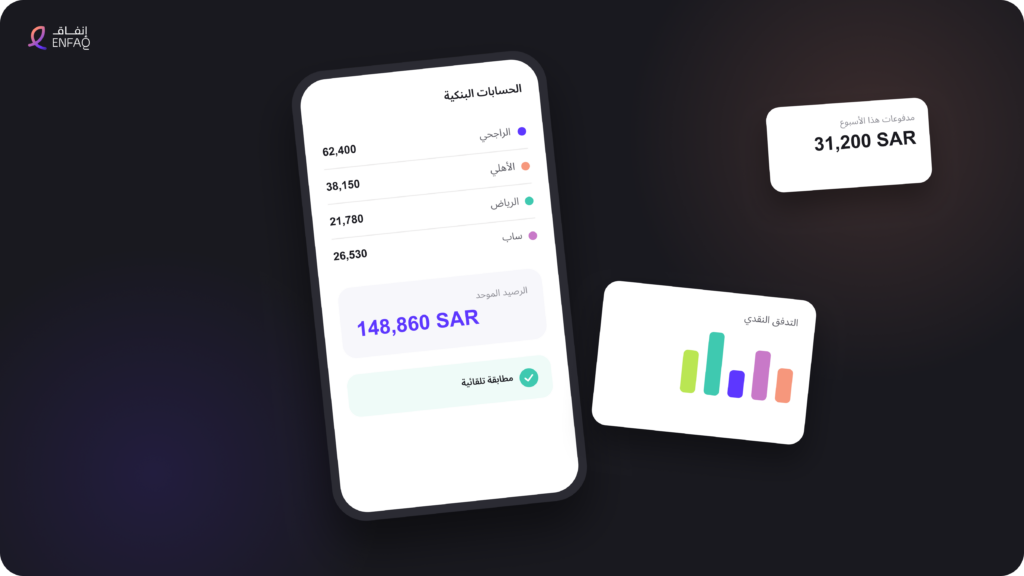
The real difference is not the report’s format but its timing. When bank accounts are aggregated automatically, transactions are categorized and everything is linked to the accounting system, a report is available at any moment instead of at month end. That turns cash management from reactive to proactive.
A CFO who sees the numbers in real time spends their time analyzing and advising, not collecting and checking.
The cash flow statement, expenses and revenue by period, spend by department, and an upcoming commitments report to support cash planning.
A financial report describes a closed period in detail. A financial dashboard shows key metrics continuously to support day-to-day decisions.
Yes. Reports can be exported as PDF or Excel and shared with management or the accounting team.
A financial report is valuable for its timing before its format. Companies that see their cash flow and spend in real time make faster, more accurate decisions and catch problems before they grow.
If your finance team spends days on a single report, it is time to change the approach. Explore Enfaq financial management for a unified financial dashboard and executive reports in one click.